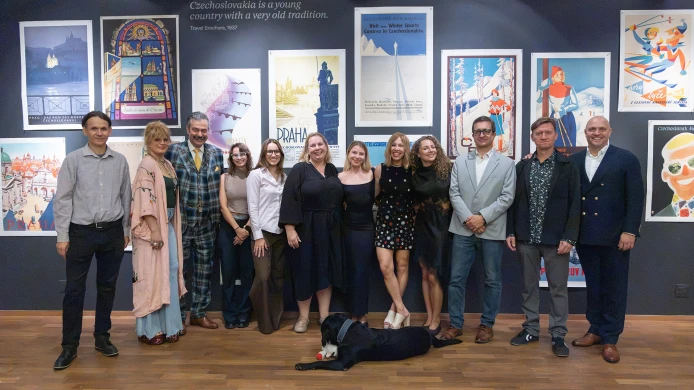
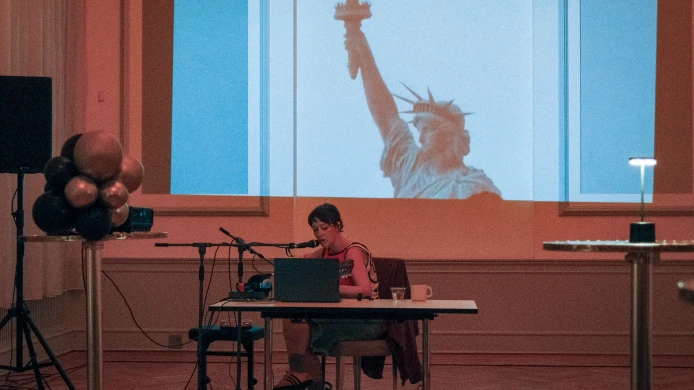
This past Thursday, May 30th, the Czech Center New York hosted a remarkable event celebrating the life and work of the enigmatic composer Zdeněk Liška. The six-hour gathering brought together film enthusiasts, music lovers, and scholars, all eager to delve into the world of one of Czechoslovakia's most innovative and influential composers. With a mix of film screenings, a documentary, and an insightful discussion, attendees were treated to a comprehensive exploration of Liška's legacy.
The event kicked off with a screening of "Ikarie XB-1" (1963), a hard sci-fi film that showcased Liška's pioneering work in electronic music. Despite its limited distribution due to censorship, this hidden gem of Czechoslovak cinema has been praised by critics and is rumored to have the artistic direction of Stanley Kubrick's "2001: A Space Odyssey" (1968). The film's innovative soundtrack set the tone for the evening, highlighting Liška's ability to create immersive and otherworldly soundscapes.
Next, attendees watched Pavel Klusák's documentary "Music: Zdeněk Liška" (2017). Released in the USA by The Criterion Collection, the documentary offered an in-depth look at Liška's diverse genius and growing international recognition. Through interviews and rare archival footage, the film shed light on Liška's unique approach to composition and his enduring influence on contemporary film music.
The highlight of the evening was a lively discussion between special guest Tomáš Bazika and host Bruce Bybee. Bazika, whose fascination with Liška began in childhood, shared his extensive research and personal insights into the composer's work. Their conversation covered a wide range of topics, from Liška's innovative sound design to his collaborations with Czech film legends like Jan Švankmajer and Juraj Herz.
The discussion also touched on the challenges Liška faced in the conservative social climate of socialist Czechoslovakia. Despite these obstacles, Liška's meticulous scoring and genre-defying compositions revolutionized sound design, tightly integrating sound with image. Bazika and Bybee explored how Liška's work is being rediscovered today, with his compositions finally being released on vinyl, CD, and digital platforms.
The audience eagerly participated in the discussion, posing several thought-provoking questions that sparked a rich dialogue about Liška's artistic journey, his peak periods, and his lasting impact on contemporary composers. The conversation highlighted how Liška's meticulous methods and innovative techniques continue to inspire new generations of musicians and filmmakers.
The extensive program concluded with a screening of "The Cremator" (1968), an eerie, mysterious drama set during the dark period of Nazi occupation. Liška's beautiful and sweet score creates a deep and unsettling contrast to the distorted cinematography, jarring editing, and unforgettable, skin-crawling performance by Rudolf Hrušínský in this haunting masterpiece.
The event at the Czech Center New York offered a unique and comprehensive look into the life and work of Zdeněk Liška. Through film screenings, a documentary, and a dynamic discussion, attendees gained a deeper appreciation for Liška's contributions to film music and his enduring legacy. As his work continues to be rediscovered and celebrated, events like this play a crucial role in ensuring that Liška's genius is recognized and remembered by future generations.
Photo credit © Anna Fiedlerová, Kristina Kouklová