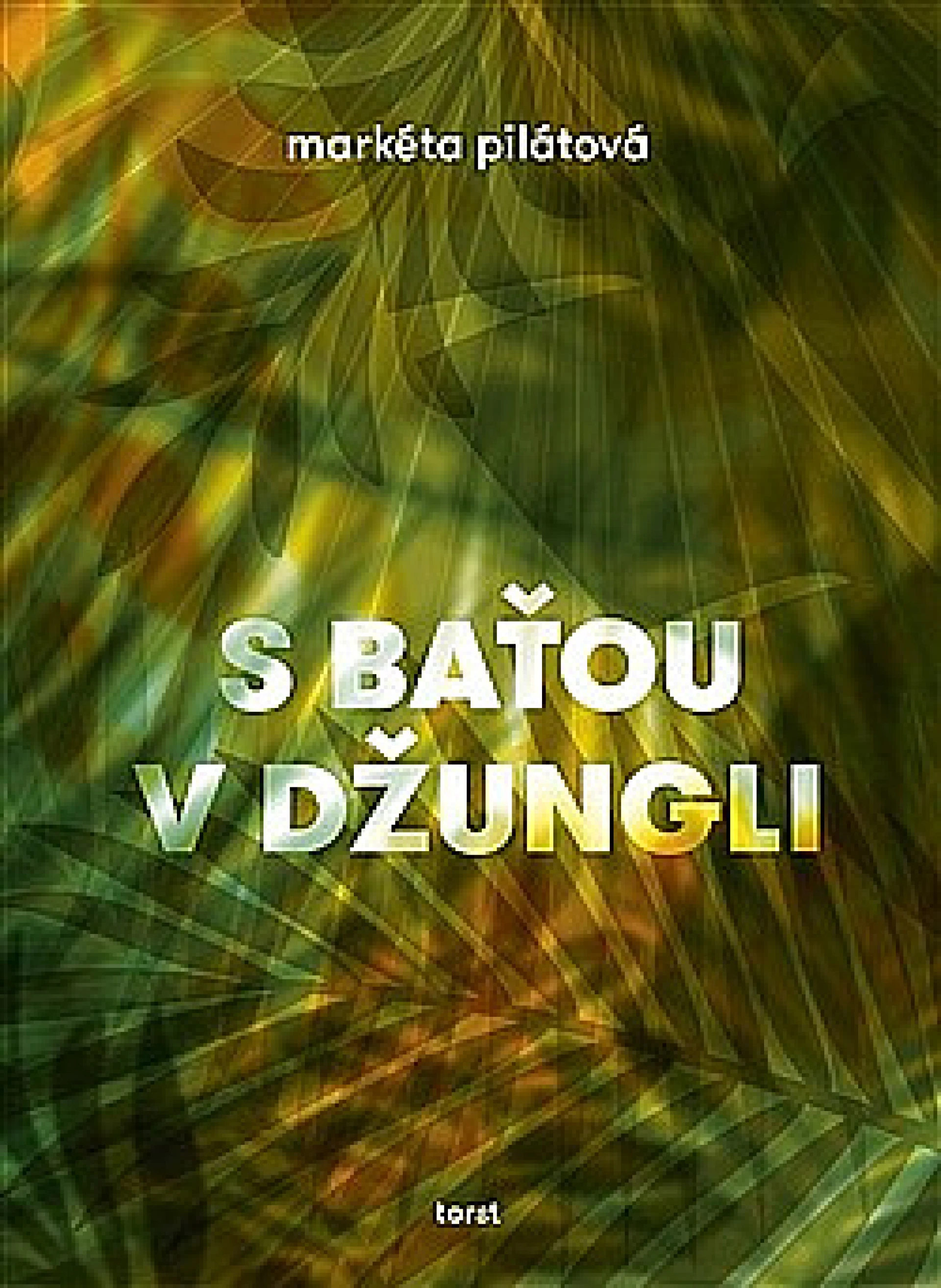
Czech Center New York will introduce another Czech writer, translator and journalist Markéta Pilátová. She will talk not only about writing her book With Bata in the Jungle (2017).
Free registration here.
The program is being presented in collaboration with the Czech & Slovak Language Center in Astoria, NYC.
Writer, translator and journalist Markéta Pilátová (1973) studied Romance Studies and History at the Faculty of Arts of the Palacký University in Olomouc, where she worked as an assistant professor for six years. For two years, she worked as a Czech language lecturer at the Department of Slavic Studies in Granada, Spain, after which she went to Argentina and Brazil for a long time, where she taught the descendants of Czech expatriates. As a journalist, she mainly writes for the weekly magazine Respekt, in which she was also employed for some time. He currently resides permanently in the Czech Republic. She is the author of a number of novels, short stories, poems and children's books. Among the most famous ones, let's mention Yellow Eyes Lead Home (2007), Tsunami Blues (2014) or With Bata in the Jungle (2017). So far, the author's latest work is the novel Senzibil, which was published in 2020 by the Torst publishing house. Markéta Pilátová is one of the most translated contemporary Czech writers.
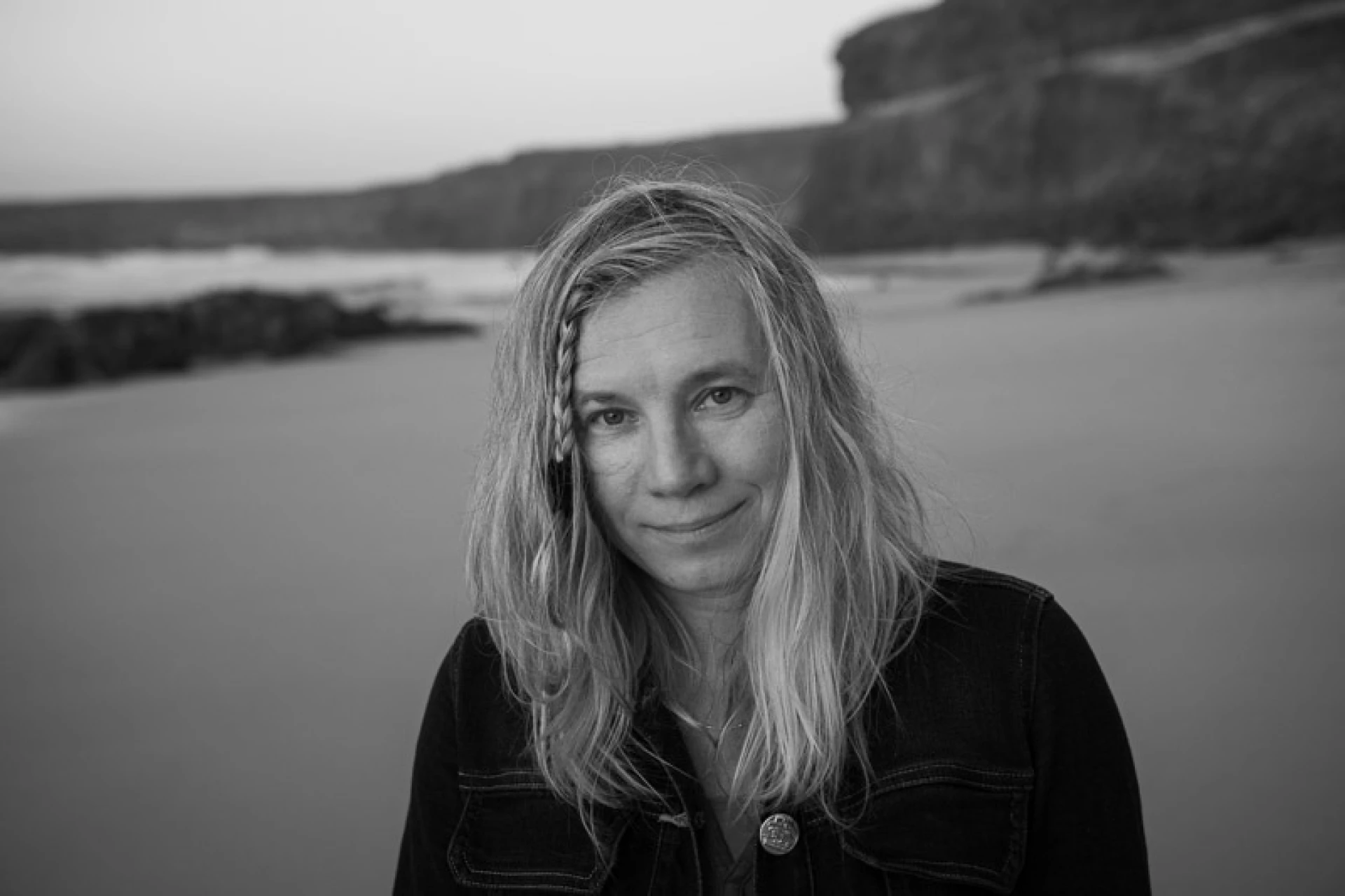
Markéta Pilátová. Photo © Jiří Sobota
The novel With Bata in the Jungle tells about life in exile and the search for justice. While the communists were building a dictatorship in his native country, Jan Antonín Baťa was building the new Zlín in the Brazilian jungle. The ideal of an enthusiastic visionary with a tightly planned life takes on completely different dimensions on the new continent, and the fight against chaos never ends. In the novel, Jan Antonín tries to tell his story posthumously as he lived it, and not as depicted by communist propaganda and its historians. He remembers his closest collaborators and mentors, the battles won and lost, and he does not intend to disappear from the world until he finds justice. But he does not tell the story of the old and the new life alone. He is also spoken about by the women who lived with him in exile in Brazil — daughters Ludmila and Edita and granddaughter Dolores, son-in-law Ljubodrag and other companions. The superb storyteller Markéta Pilátová has built an unusually readable novel of the twentieth century based on family memories, diaries, documents, Baťa's prose and poetic attempts, in which so many unambiguous actions can be interpreted in so many contradictory ways.