For the fifth time, Echoes of Ji.hlava IDFF – one of the key European documentary film festivals – will venture to New York. Between March 7 and 13, several outstanding films from the festival’s Czech Joy competition will be available online to the audiences on the territory of the United States.
Online Echoes of Ji.hlava in New York will be available to viewers in the USA on March 7–13, 2022, following a free registration at DAFilms.com, a leading VoD portal featuring mostly creative documentary films.
The Echoes of Ji.hlava IDFF will also include a series of physical screenings at the Bohemian National Hall in New York organized in cooperation with the Czech Center New York. The viewers can attend the screenings in New York on March 8–10, more details here.
More information at DAFilms.com.
You will be able to watch the following films:
Central Bus Station
Czech Republic, 2018, dir. Tomáš Elšík
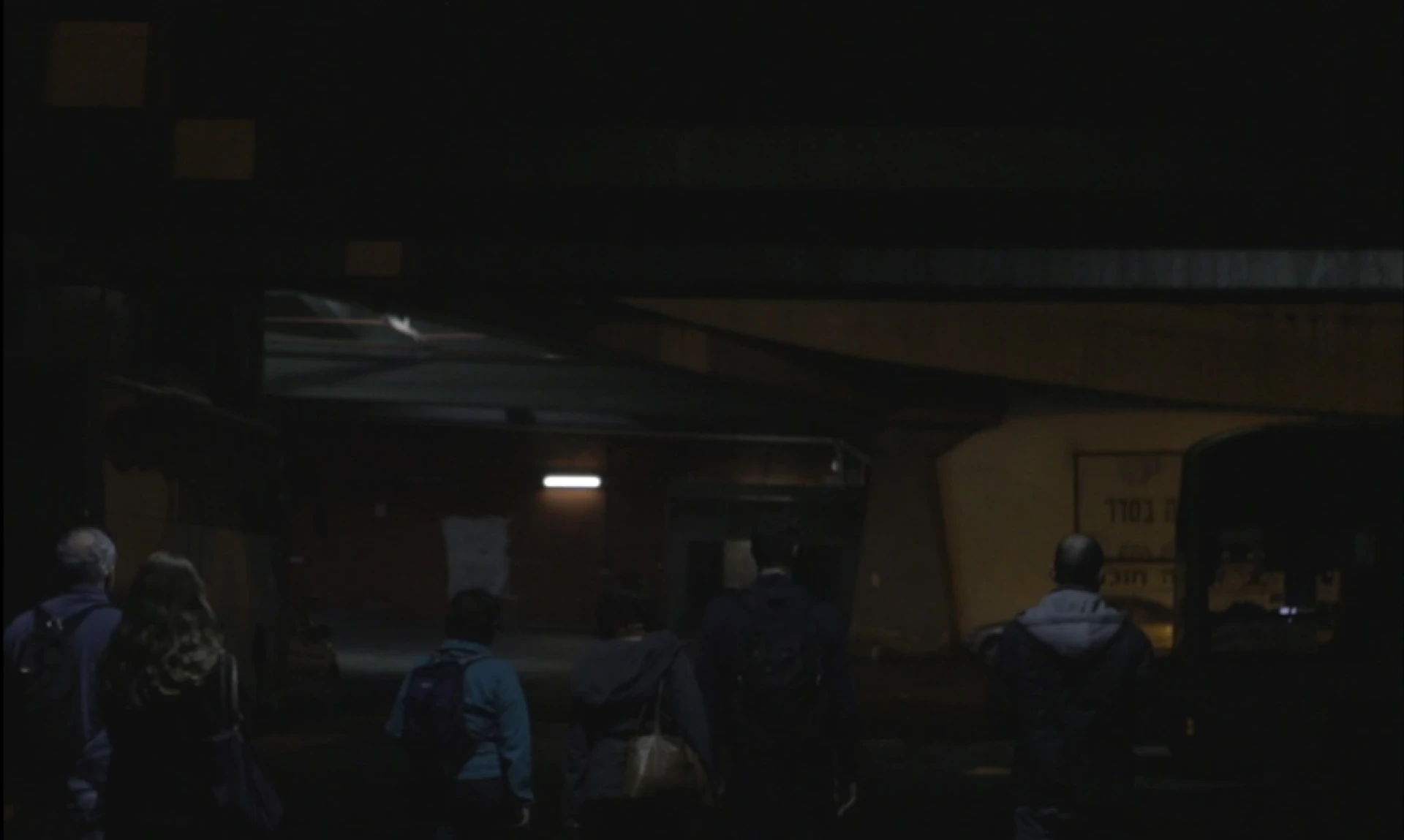
Only recently, Tel Aviv’s Central Bus Station was still the largest in the world. But this oversized space only serves more than its original purpose to bring in masses of people who, confused by its complicated interior design, succumb to shopping fever. Over time this concrete monster, which won’t be easy to tear down, has become a temporary refuge for people on the margins of society – refugees, criminals, prostitutes. Like its main protagonist, the tourist guide Yonatan, the film’s director is fascinated by one of the wonders of the world of redundancy and the microcosm of the people who live here.
You can watch the film here.
The Limits of Work
Czech Republic, 2017, dir. Apolena Rychlíková
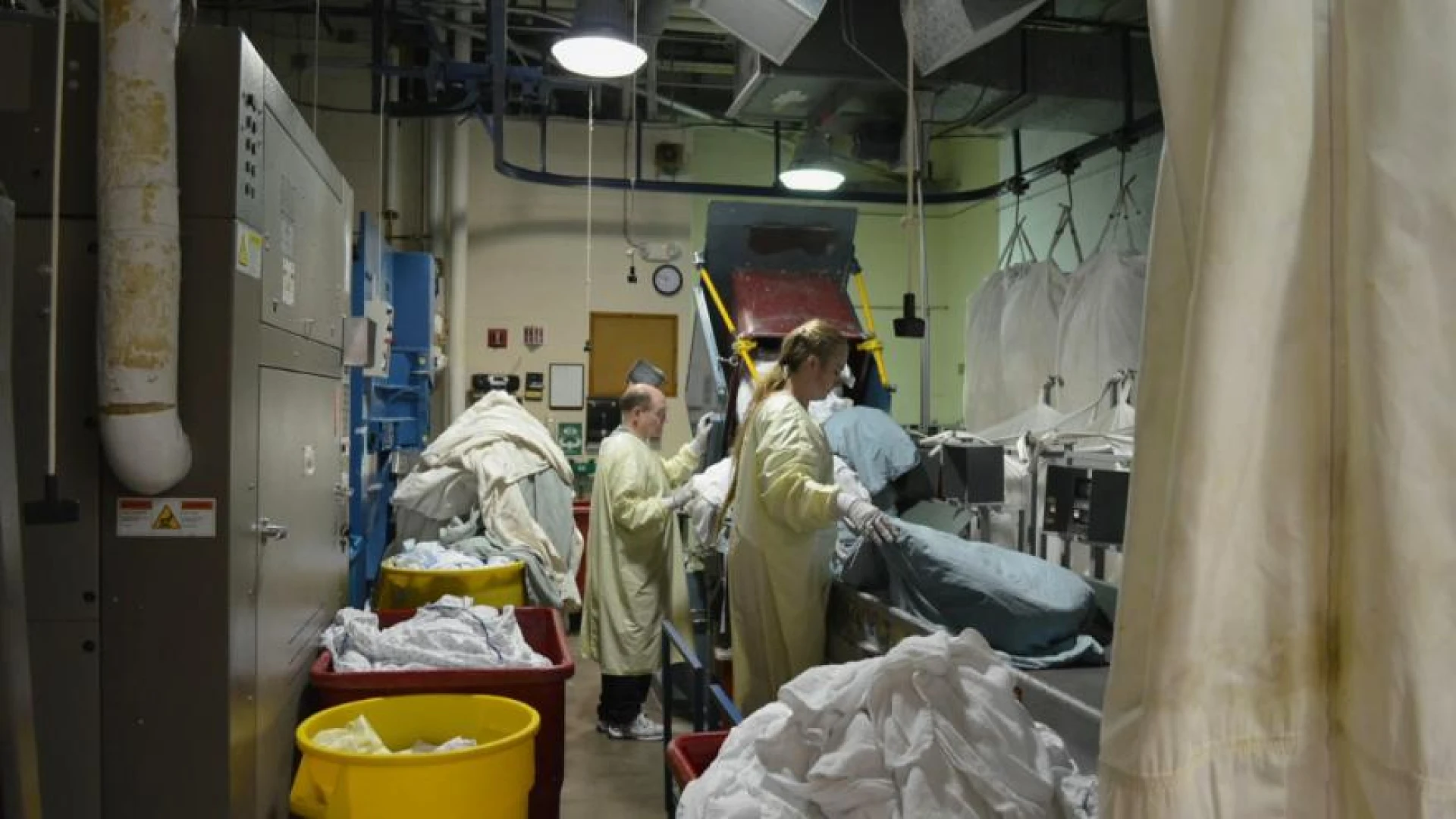
Journalist Saša Uhlová spent six months exploring working conditions at the worst-paid jobs in the Czech Republic. She spent several weeks in a hospital washroom, at a poultry plant, behind a cash register and at a waste sorting facility. Her experience formed the basis for a very personal series of reports about people working invisible jobs under shocking conditions, published on the A2larm.cz website. Apolena Rychlíková has turned these articles into a documentary film consisting of scenes shot at Uhlová’s home and of video footage taken at her places of work, accompanied by Uhlová’s read commentary.
You can watch the film here.
A New Shift
Czech Republic, 2020, dir. Jindřich Andrš
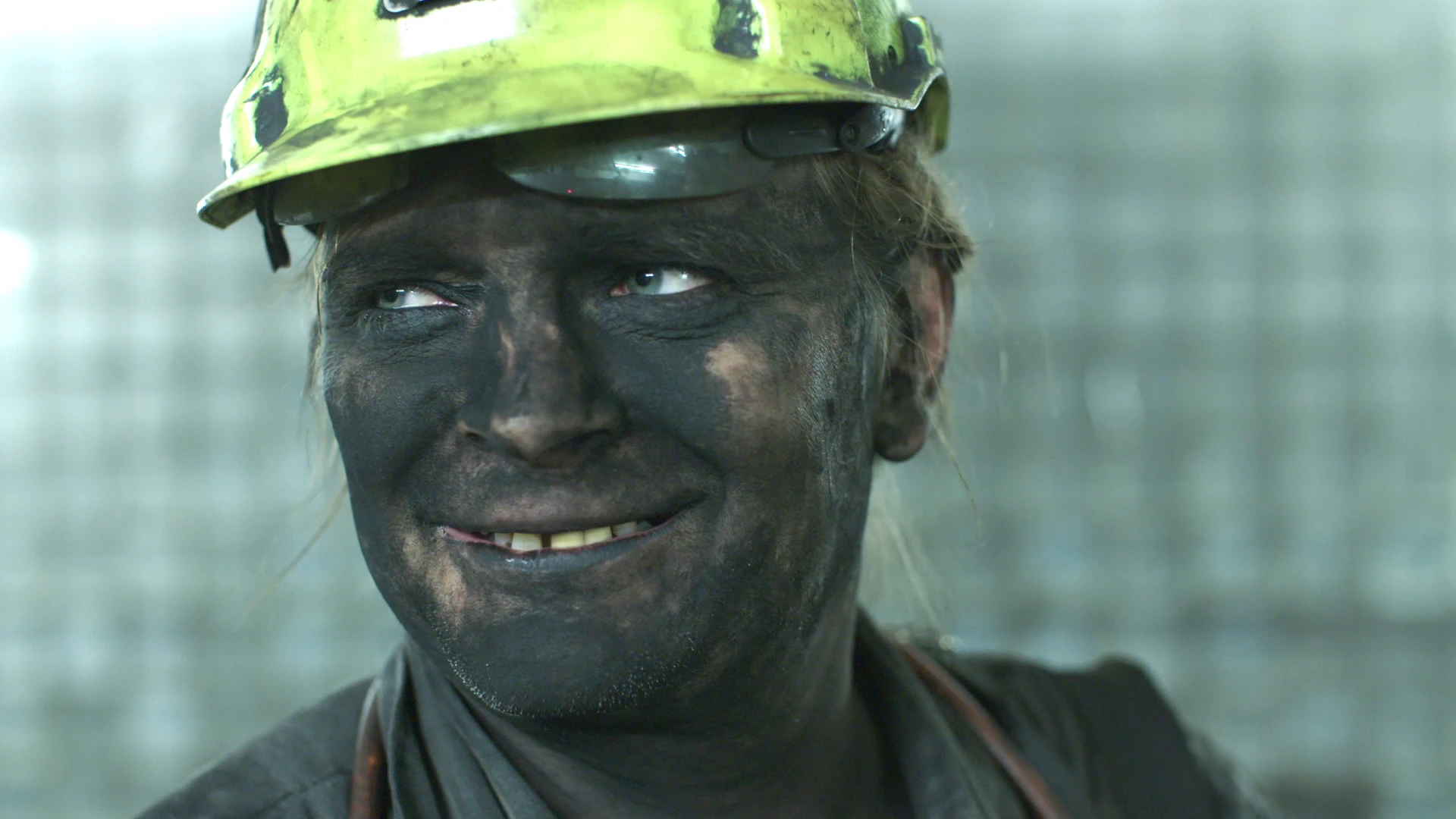
The closure of the Paskov mine, 2017; drilling into coal mines in the Ostrava-Karviná district, once a tradition, is now becoming a thing of the past. The Nová šichta retraining program drives a laid-off miner, Tomáš Hisem, away from his pickaxe, jackhammer, football Baník matches and Padlock concerts and into the world of object-oriented programming. New opportunities and horizons lead to changes in his personal life and career. This tender portrait of an ordinary miner navigating his way through the labyrinth of the labour market reveals both the nooks and crannies of a performance-oriented society and the transforming industrial agglomerations. Strong will and determination prevail over the media simulacrum of retraining in an impressive struggle for the soul and the dignity of one working-class man.
You can watch the film here.
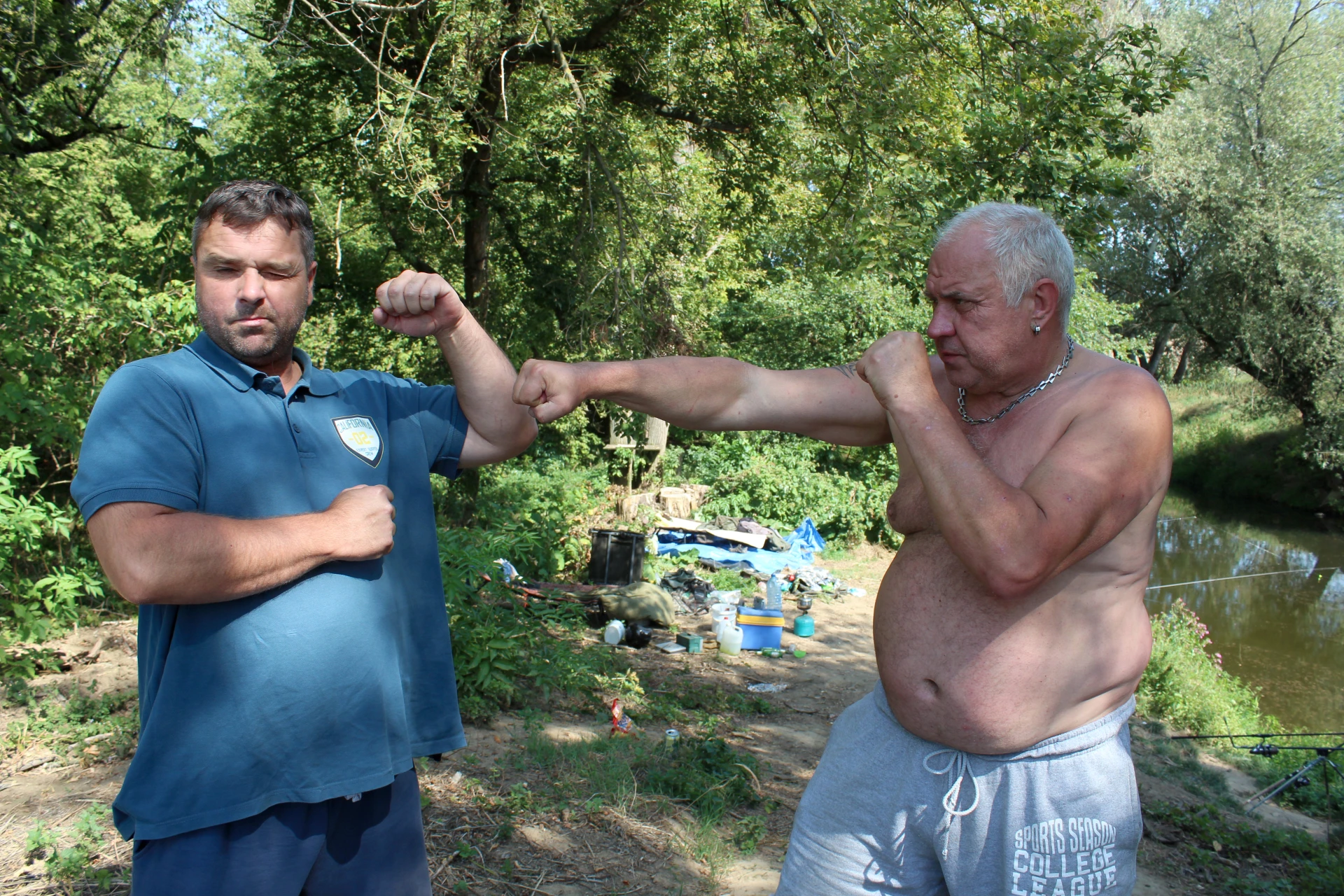
Lost Coast
Czech Republic, 2019, dir. Jiří Zykmund
The film follows the lives of fishermen and vacationers who, through community efforts and friendly cooperation, seek to improve the otherwise deserted shores of the South Moravian reservoir Nové Mlýny, whether for a family holiday or leisurely fishing. Due to bureaucratic machinations, however, they are forced to sell off their summer homes and leave this place full of nostalgia and memories for good. Discreetly observational camerawork reveals the ordinary hardships, difficulties and joys of ordinary people and, with humorous insight alternating with melancholy contemplation, recounts the story of the conflict between living human experience and the cold state apparatus.
You can watch the film here.
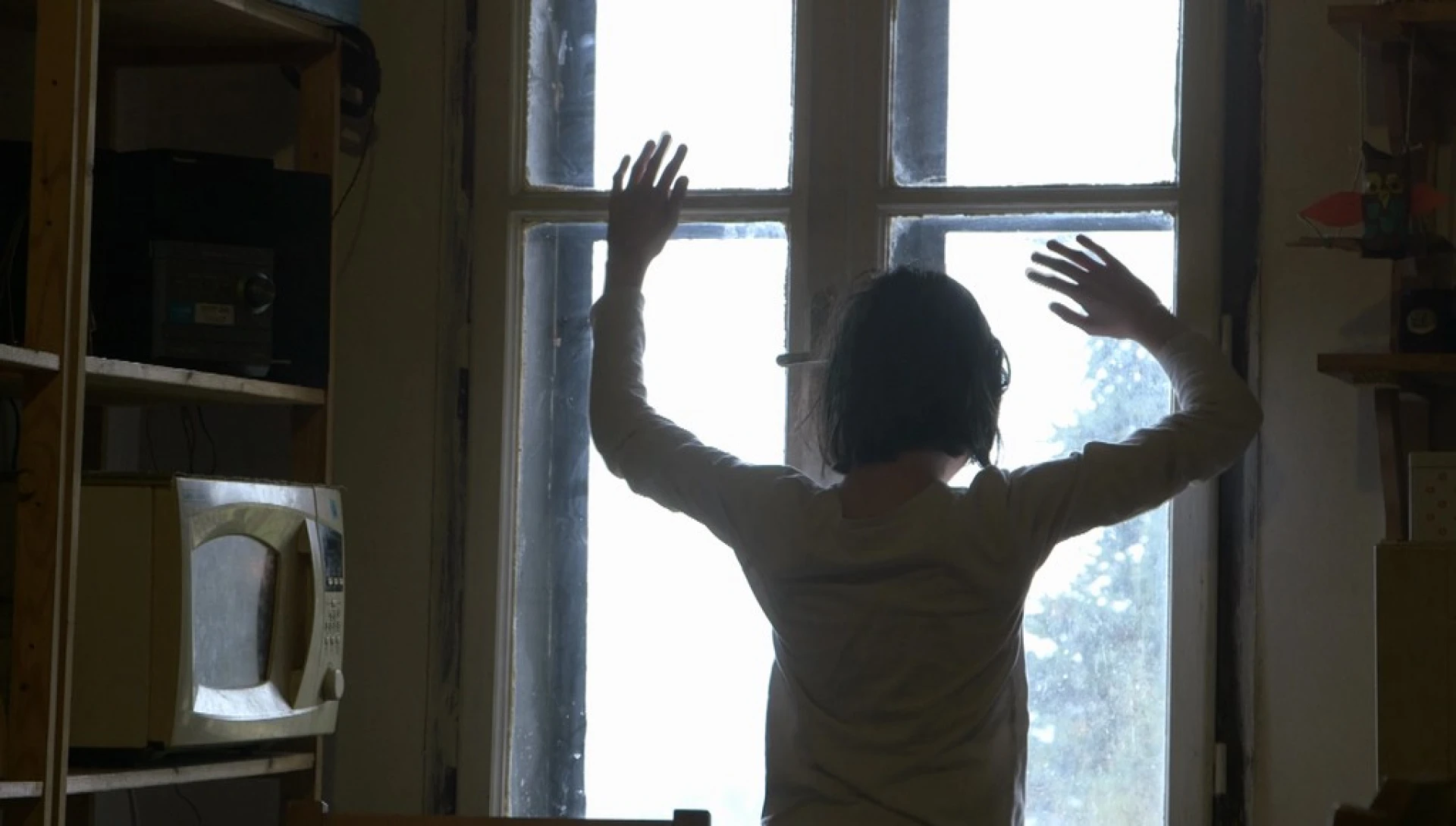
Normal Autistic Film
Czech Republic, 2016, dir. Miroslav Janek
Children with autism don’t suffer from an incurable disease. They suffer because they are neurodiverse in a world set up for neurotypicals. With that perspective, Miroslav Janek embarks on a series of live meetings with a number of children and young adults who have been diagnosed with Asperger’s syndrome. He gives them the opportunity to express freely their relationship with the world and with themselves, as well as what sets them apart from “normal”. We find that he’s brought us into the company of fun, fascinating people who often suffer because they are labelled as “disabled”. This excursion into the world of autism redefines the seemingly firm boundaries between “otherness” and normality.
You can watch the film here.
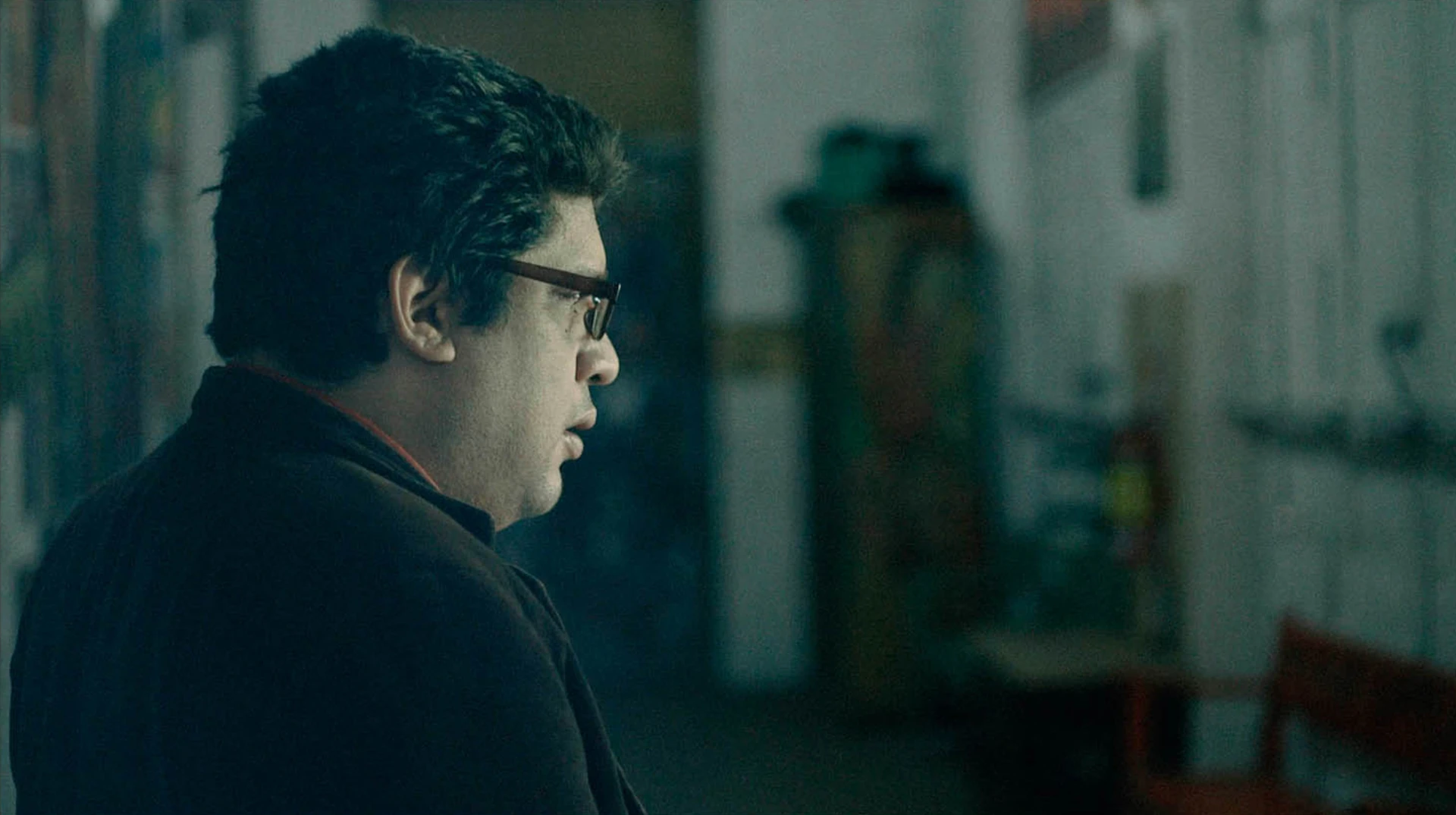
Solo
Czech Republic, France, Argentina, Austria, 2019, dir. Artemio Benki
Martín Perano is a young Argentinean piano virtuoso and composer whose life has been turned upside-down by mental illness. He spent the past few years in the largest psychiatric hospital in South America, El Borda in Buenos Aires. After his release he returned to the nearly empty house of his parents, where his biggest concern was to learn to live without walls and to go back to the piano, which he played every day in the institute. The director patiently observes Martín’s return; in interviews with his loved ones, he learns more about Martín’s past, lyrically approaching the inner workings of a person obsessed with creation, capable of taking strength from their own hypersensitivity.
You can watch the film here.
Related events